RĀYA RĀMĀNANDA SAṂVĀDA · 10
All cards
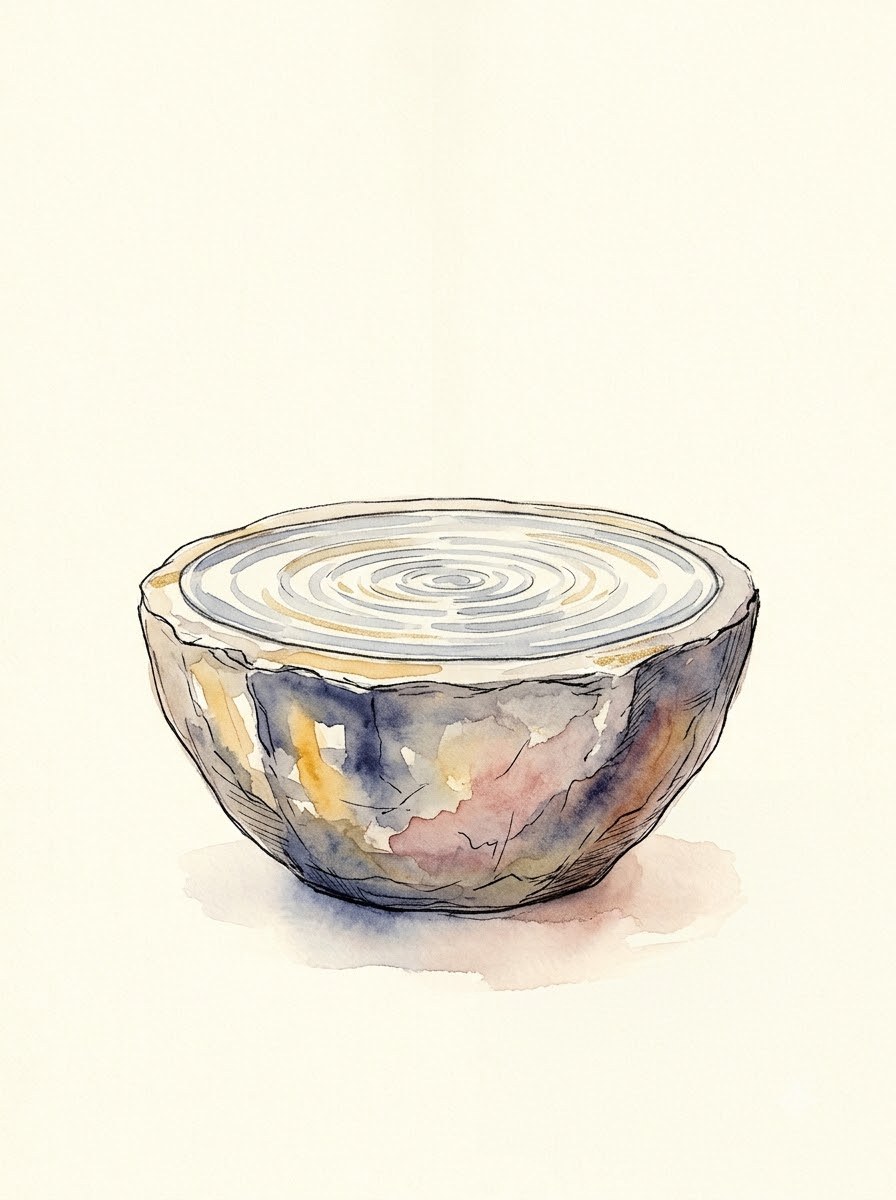
Karma and jñāna ascend by one's own strength; bhakti descends of itself
āroha-panthā · avaroha-panthā"The ascending path" and "the descending path" — a pair of terms (not a verse)
Karma and jñāna ascend by one's own strength; bhakti descends of itself
āroha-panthā · avaroha-panthā
"The ascending path" and "the descending path" — a pair of terms (not a verse)
Listen to Gurudev
"Karma and jñāna are āroha-panthā — there the person always has the ego that I am doing this and I am striving by my own strength. Bhakti is not āroha-panthā; bhakti is avaroha-panthā, the descending path. And now the mood of the devotee: I am helpless."
Gurudeva calls this verse the turning point of the whole discussion. Everything said before it — karma, the giving up of karma, jñāna — is the ascending path: I am doing, I am striving by my own strength, I will arrive. Āroha-panthā. Bhakti is built the other way round: avaroha-panthā, the path along which things come down rather than one climbs. And the mood changes entirely: I am helpless, transcendental things are beyond my capacity, the goal will come only to one who has placed himself in a receptive disposition and is receiving hari-kathā. Not a staircase but two arrows on one line: a thin dotted one upward, a thick solid one down.
In today's round, stop reaching upward — open the hearing and receive.
Source: Rāya Rāmānanda Saṃvāda · part 02
All cards in the deck
Rāya Rāmānanda Saṃvāda · the ladder of life's goal
Chaitanya Academy